






Millwork shop drawings Millwork Shop Drawings That Get Approved the First Time
A shop drawing has one job: get your work through the architect’s review and onto your factory floor without a second round. Everything on this page is organised around that job.
What you’re actually buying
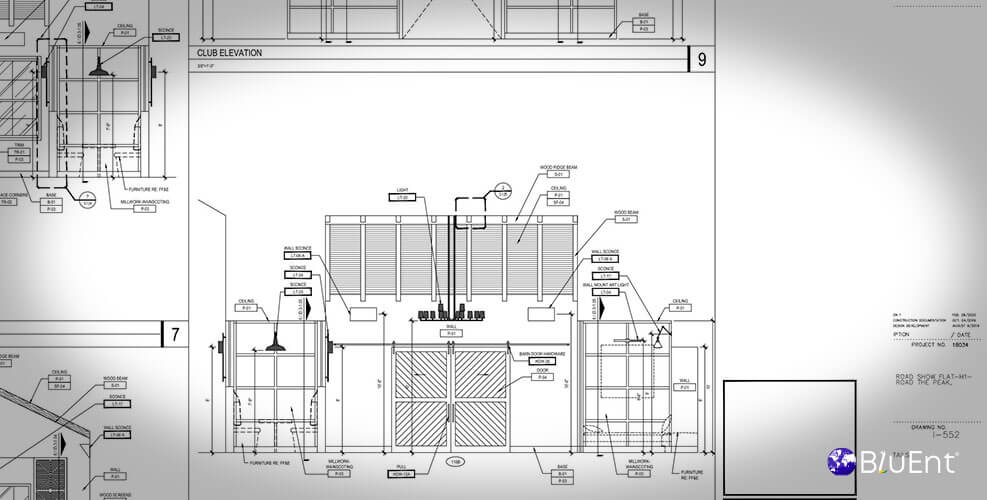
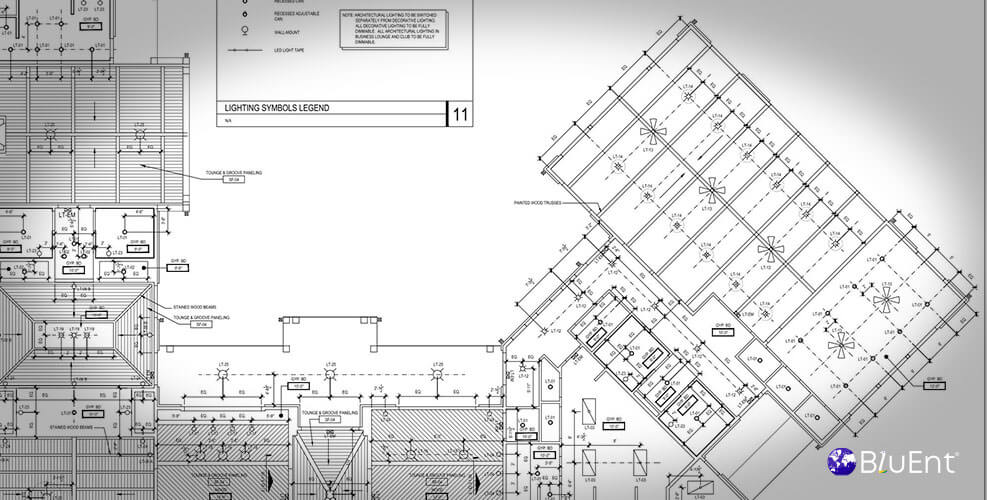
A submittal package in your title block, to your standards, ready to stamp and send: cover sheet, floor-plan key, elevations, sections, plan details, connection and edge details, hardware schedules, finish schedules and material callouts – referenced to the architectural set and the specification, not just traced from it.
If the spec says AWI Premium Grade, the drawings show what Premium Grade requires – grain matching, exposed-surface rules, joinery methods – because our detailers read Section 06 40 00 before they draw. That’s the difference between drafting and detailing, and it’s why sets from this studio come back approved rather than covered in clouds.
- Casework elevations, plans and sections dimensioned for review and for the bench
- Architect submittal packages assembled to your submittal register
- Production and fabrication drawings released after approval
- Revision and redline management – clouded, logged, versioned
- Your standards captured in a versioned Standards Record from project one

Standards we work to
AWI / AWS and QCP submittal expectations in the US · AWMAC / GIS in Canada · BS 1186, BS 8000 and BWF conventions in the UK – imperial, metric, or the same project mixing both.

Casework detailing services within this line
-
Casework elevations, plans and sections
The core drawing production. Elevations, plans, sections and large-scale details for casework and architectural millwork items.
Explore -
Architect submittal and approval packages
Assembled, indexed and cross-referenced for review, with deviations declared rather than buried.
Explore -
Production and fabrication drawings
Shop-floor documents carrying construction methodology, part marking and assembly information.
Explore -
Revision and redline management
The approval cycle handled. Comments incorporated, revisions clouded and logged, issue history maintained.
Explore
How a set moves through the studio
- IntakeArchitectural set, spec section, your standards and title block.
- Engineering reviewThe spec is read, conflicts and gaps flagged, RFIs drafted where the answer isn’t on the documents. Millwork Engineering →
- DetailingBy a dedicated team working inside your conventions.
- Two-stage checkingAgainst your Standards Record, then by your named senior checker before release. Quality →
- SubmittalAssembled, logged and delivered on the committed date.
- RevisionsArchitect comments incorporated, clouded and logged; your redlines join the Standards Record so they never need repeating.
Capacity, when you need it to flex
One elevation set or a 200-store rollout: the structure is the same, the team size isn’t. Because the production studio sits inside a 150+ person firm, your account can flex without changing the faces you deal with – the account lead and checker stay constant while capacity moves behind them.

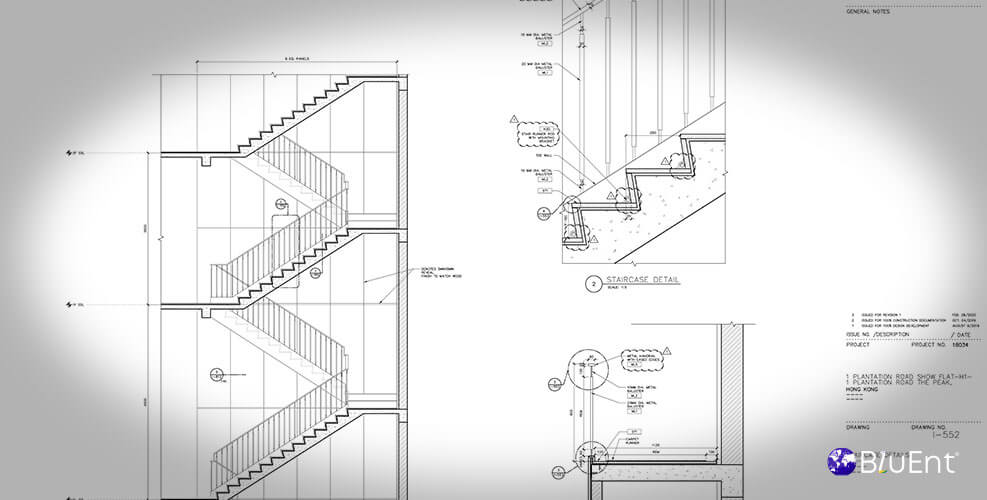

See how a similar package was resolved
Real project outcomes from BluEnt’s broader portfolio.
Free drawing review
Have a package to discuss?
Send the basics. The right next step can follow.
A set gets read by a detailer, not a sales desk.
Where to go next
Related pages
Related services
Standards applied
Platforms and sectors
Before engaging
Every line on the sheet ends up as a cut, a bore or a bevel on a real piece of material.
FAQ
Frequently Asked Questions
What do you need from us to start?
The architectural set and spec section, your title block, and any shop standards. No standards documented? We’ll capture them as we go – that’s what the Standards Record is.
How long does a set take?
It depends on package size and current load – so every quote carries a committed calendar date, agreed before we start.
Do you stamp drawings?
No – shop drawings are submitted under your company’s name and review stamp. We produce them; you own them.
What's your first-pass approval rate?
The number is tracked and reported per account rather than asserted in marketing. Every set goes through the same two-stage check before issue – see Quality & Standards.
Start a package
Send the drawings. Findings come back against the applicable standard.
Scope, queries and an honest read on the schedule, before any commitment.
- Drawings ship under the client title block, in the client template
- Two-stage checking on every set, independent check then senior review
- One named contact, not a general queue
- Conventions captured in a Standards Record and reused from project two onward
Project enquiry
Scope and questions come back, not a template.