





Mixed-material and fixture detailing One drawing set for the whole fixture – metal frame to wood panel.
Walk any retail floor: the fixtures aren’t millwork or metalwork, they’re both – a steel or aluminium frame carrying wood panels, glass, acrylic and solid surface. Yet the drawings for that one fixture usually come from two vendors: a millwork detailer who won’t touch the frame, a metal detailer who’s never grain-matched a panel. The interface between them – the most failure-prone square inch of the fixture – becomes your problem to reconcile.
Where two-vendor packages fail
The frame drawing holds the panel opening at nominal; the casework drawing scribes to a site condition the metal shop never saw. Fastener access assumed from one side, blocked by a weld on the other. Thermal and tolerance behaviour of steel meeting the moisture behaviour of veneer – resolved by nobody, because each vendor drew to their own trade’s edge and stopped.
Our sets carry the interface as a detail in its own right: connection methods, tolerances and adjustability, fastener access and sequence, clearances where dissimilar materials meet. It’s on the sheet before it can be on your floor.

What we detail
-
Complete fixture packages
Frame, casework, glazing, acrylic and solid surface elements in one modelled assembly (SolidWorks/SWOOD) with one coordinated set.
Explore -
Sheet-metal components
Brackets, panels, kicks and cladding with flat patterns and bend data.
Explore
Structural frames – tube and brake-formed members detailed for fabrication; welded assemblies detailed with our fabrication specialists where the scope requires. The interface itself – the detail sheets that make two trades meet on site the way they met in the model.

Who this is for
Store-fixture and display manufacturers running brand rollouts. Millwork shops that added (or bought) a metal line and need drawings that match the new reality. Metal shops that took on wood. Casino, museum and hospitality work where the feature piece was never going to be one material.
If your shop recently became a both-trades shop, you already know the drawing problem this page solves – you’ve been living it between two vendors.

Send one fixture
A fixed-price pilot package, so the interface comes back owned, not divided.
Send one fixture – fixed-price pilot package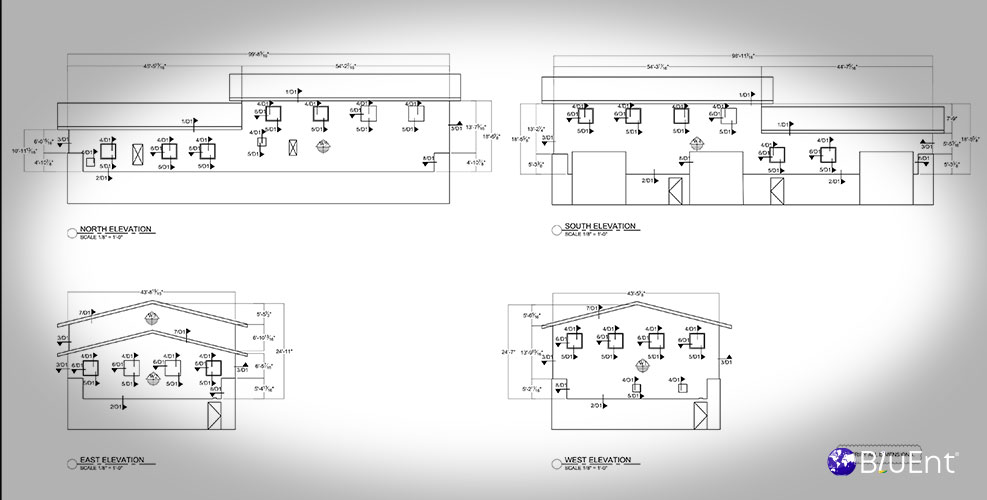
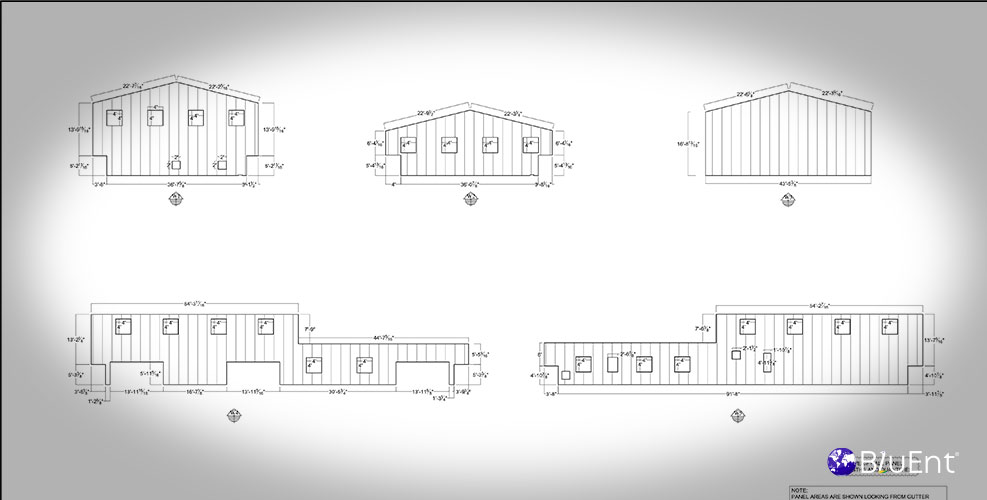
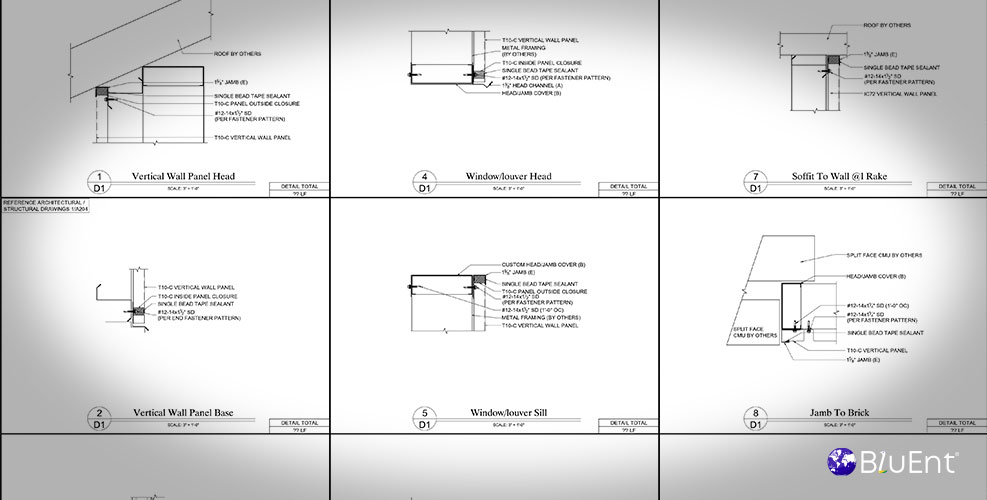
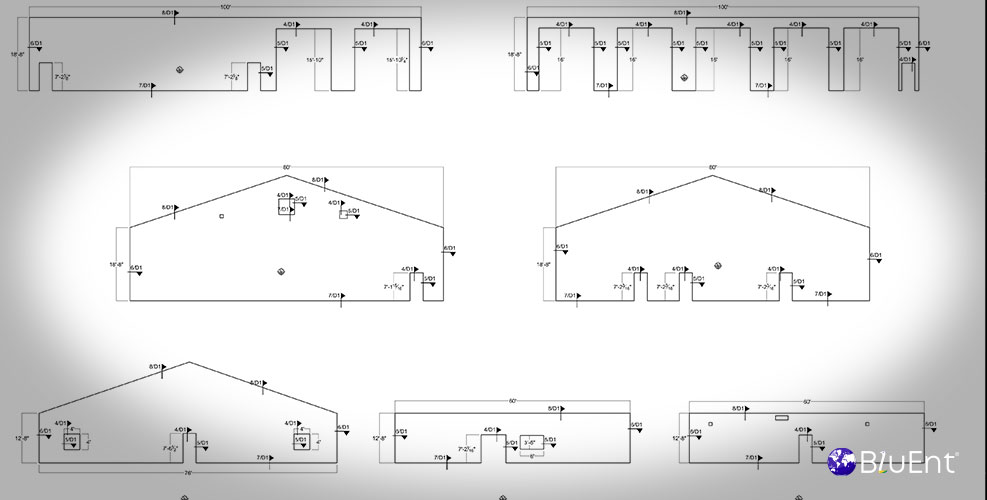
See how an interface was resolved
Real project outcomes from BluEnt’s broader portfolio.
Quick enquiry
Have a fixture package split between vendors?
Send the basics. The right next step can follow.
Read by someone who details the interface, not a sales desk.
Where to go next
Related pages
Related services
Programmes and platforms
Before engaging
The interface is on the sheet before it can be on your floor.
FAQ
Frequently Asked Questions
Do you detail the metal to fabrication standard?
Sheet-metal parts, flat patterns and bend data: yes, in-house. Welded structural frames: detailed to fabrication standard with our metal-fabrication specialists where the scope requires it – one set, one point of responsibility either way.
Can you match our existing fixture drawings?
Yes – your title block, your layer standard, your part-numbering. Rollout programmes live or die on consistency; that’s what the Standards Record holds.
We're a metal shop that just bought a millwork line. Relevant?
Extremely – you’re exactly who this page was written for. Your frame drawings are handled; it’s the casework side (grain, edge treatment, AWI grades, moisture movement) where a detailing partner saves you a year of learning the hard way.
Send one fixture – fixed-price pilot package
Send the drawings. The interface comes back owned, not divided.
Scope, queries and an honest read on the schedule, before any commitment.
- Metal, wood, glass and acrylic detailed as one coordinated assembly
- Tolerance strategy stated explicitly at every material junction
- One named contact, not a general queue
- Structural steel and curtain wall stated plainly as out of scope
Project enquiry
Scope and questions come back, not a template.