








Joinery and millwork bills of quantities One list, priced by everyone the same way.
A bill of quantities lets several parties price the same scope on the same basis. When every bidder prices the same itemised list, the differences between the bids are commercial rather than interpretive. That is the whole value, and it is lost the moment the document stops being consistent.
What is prepared
- Itemised measured works
- Structured by element or by section as the project requires.
- Descriptions
- Written to the measurement convention in use on the project, not to a house format.
- Quantities with units
- Measured consistently and to a stated basis.
- Preliminaries and provisional items
- Identified rather than absorbed into rates.
- Inclusions, exclusions and assumptions
- Separated and stated.
- A priceable structure
- One a quantity surveyor or estimator can work from directly, without rebuilding it first.

Why comparability is the point
A materials list tells you what to buy. A bill of quantities tells several bidders how to price the same thing.
That difference changes how the document is written. Descriptions have to be unambiguous to someone who did not measure it. Items have to sit where the convention expects them, not where they happen to appear in the drawings. Provisional items have to be visible rather than buried, because a provisional sum absorbed into a rate destroys the comparison it exists to enable.
Terminology, handled honestly
British and North American practice use different words for related things, and mixing them causes real confusion in pricing.
In UK and European practice this is joinery work, and the document is a bill of quantities prepared to an established measurement convention. In North American practice the equivalent function is more often served by a bill of materials or a Div 06 40 00 bid package, structured around the specification section rather than around measured works.
Preparation follows the convention your project actually uses. One is never relabelled as the other, and a US-format schedule is never presented as a BOQ.
Where a BOQ is expected
Formally procured work in the United Kingdom and much of Europe, where the tender route assumes one. It also appears on larger North American packages where a common pricing basis across subcontractors matters more than speed.
Where a project does not require a BOQ, we will say so rather than preparing one because it was asked for by name.
Who this suits
Joinery firms bidding formally procured work. Contractors who need a common pricing basis across subcontractors. Consultants preparing a package for tender who need the measurement done properly rather than quickly.
Selected work
Bills of quantities, priced consistently
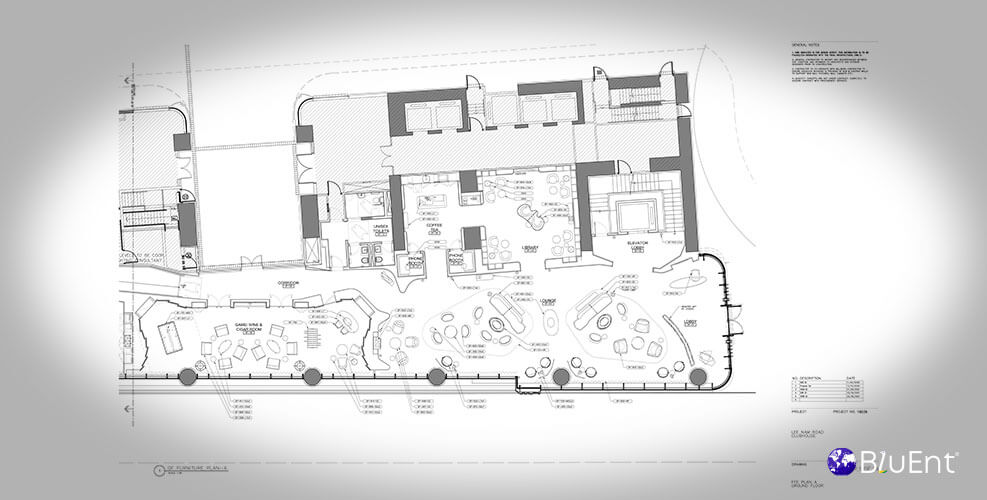
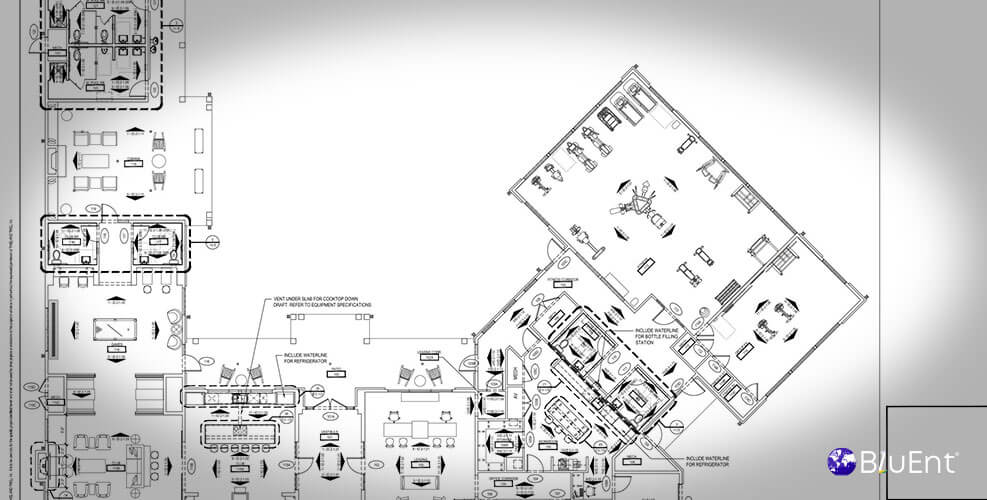
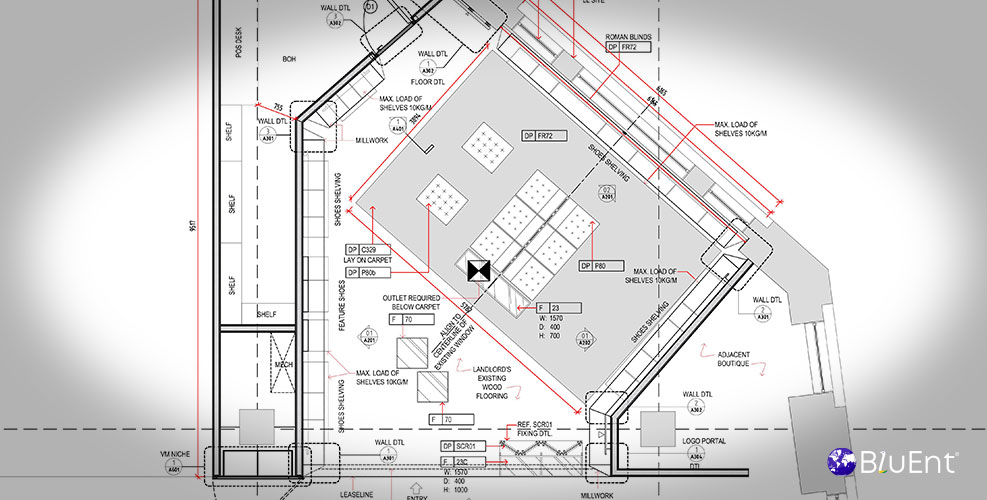
When every bidder prices the same itemised list, the differences between bids are commercial.
FAQ
Frequently Asked Questions
Do you prepare to a specific measurement convention?
Preparation follows the convention the project requires. The applicable convention is confirmed at scoping rather than assumed, because getting it wrong makes the document unusable for its purpose.
How is this different from a material take-off?
A take-off measures what must be bought. A bill of quantities is a formal pricing document structured for comparability between bidders. They are produced from the same geometry and answer different questions.
Can you prepare a BOQ for a North American project?
Yes, though the more usual North American formats are a bill of materials or a specification-section bid package. We will tell you which one the project actually needs.
Do you use metric?
Yes on UK and European work, throughout, including the schedules. Imperial is used on North American work. Mixed-unit documents are a known source of pricing error and we do not produce them.
Send a bid package – free first take-off
Send the tender documents for an upcoming joinery package.
What comes back is a priceable document, not a materials list.
- Prepared to the convention your project actually uses, never relabelled
- Inclusions, exclusions and assumptions separated clearly
- A structure a quantity surveyor or estimator can work from directly
- One named contact, not a general queue
Free first take-off
Scope and questions come back, not a template.