








Drafting produces what it is told. Engineering decides what to produce.
This is the work that happens before and around the drawing: reading the specification properly, questioning what the design does not resolve, and catching the conditions that will fail on the floor or on site.
Why this is a separate service
Drawing production can be bought in many places. What is genuinely scarce is someone who will look at a set of architectural drawings and say: this detail cannot be built at this tolerance, this hardware will not clear that return, this specification clause contradicts the finish schedule, and this junction has no answer at all.
That is engineering, and the value of finding it early is not proportional to the cost of finding it. A conflict caught during detailing costs a query. The same conflict caught at installation costs a remake and a delayed handover.

What sits inside this line
-
RFI handling and response
Identifying what the design does not answer, writing the RFI so it gets a usable response, and tracking it to closure.
Explore -
Specification analysis and compliance review
Reading the written specification against the drawings and the schedules, and reporting conflicts before they become rejections.
Explore -
Constructability review
Assessing whether the design as drawn can be fabricated, transported, delivered and installed, and what it costs in method if it can.
Explore
Two further capabilities appear on the capability map as direction rather than active offers: joinery method selection, and material and hardware substitution. Both require a depth of account knowledge that only accumulates over time.
What this looks like on a package
Engineering findings arrive as part of detailing rather than as a separate report nobody reads.
- The specification is read in full before drawing begins, not consulted when a question arises
- Conflicts between specification, drawings and schedules are logged and returned as one set of queries rather than trickling out over weeks
- Conditions that cannot be built as drawn are flagged with a proposed alternative, so there is something to take back to the design team
- Questions only the architect can answer are drafted as RFIs, ready to issue
- Findings that recur across projects are added to the Standards Record so the same issue is not rediscovered

Who this suits
Shops taking on work more complex than their usual run and wanting a second technical opinion. Manufacturers whose engineering function is the bottleneck rather than their drawing capacity. Contractors carrying design-assist responsibility without in-house woodwork expertise. Architects and design-build firms needing feature millwork tested for buildability before it is priced.

The honest limits
Some engineering work depends on knowing a specific shop’s machines, tooling, material stock and labour practice. That knowledge does not exist at the start of a relationship and cannot be assumed from a drawing set. Where a scope needs it, it is scoped after that knowledge is earned, not before.
When to commission it
- Before bidReturns the most, because everything found can still change the number.
- Before detailingPrevents an entire category of rework and reduces the RFI count.
- Before a disputed submittalAn independent reading establishes whether a compliance rejection is correct.
Selected work
Findings inside detailing packages
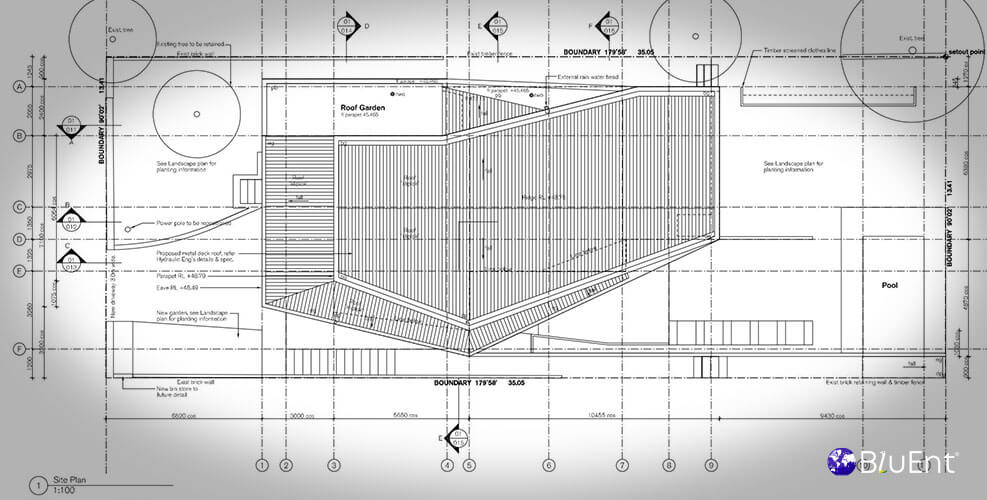
Specification review
Portfolio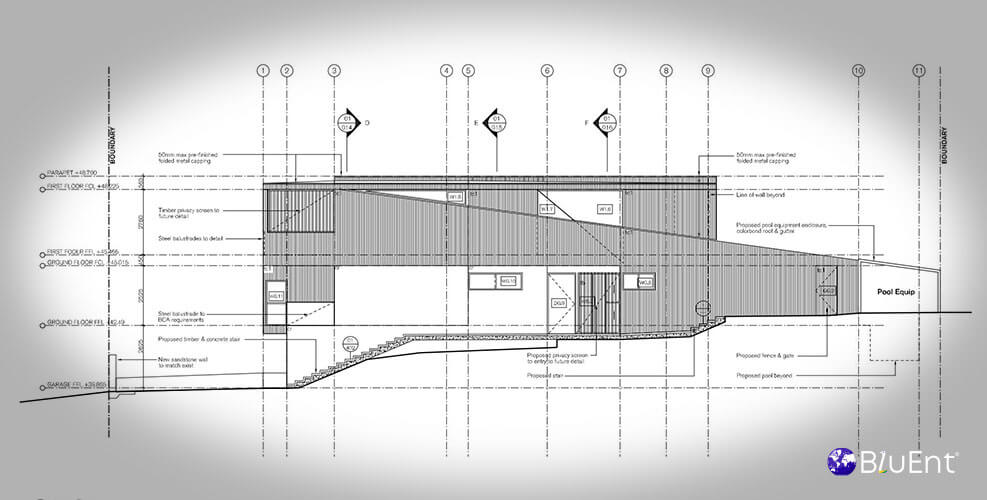
Coordinated queries and RFIs
Portfolio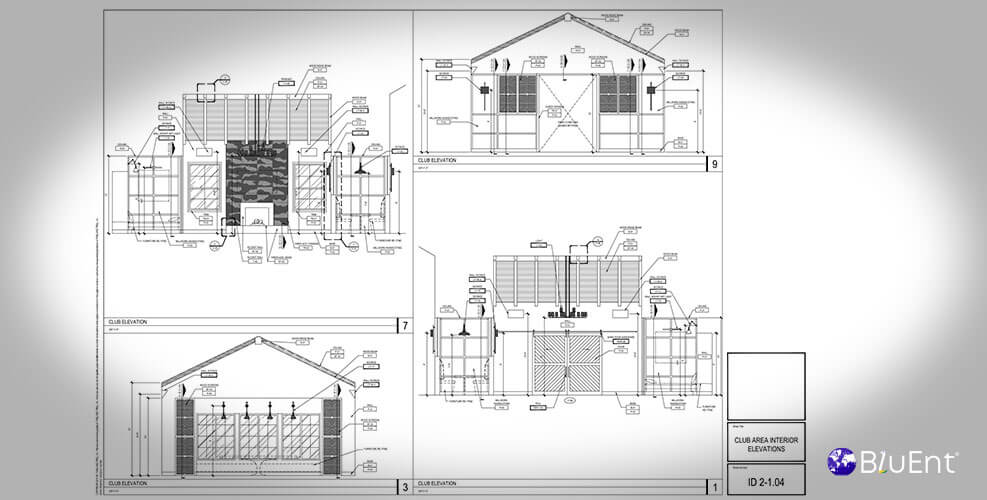
Constructability findings
Portfolio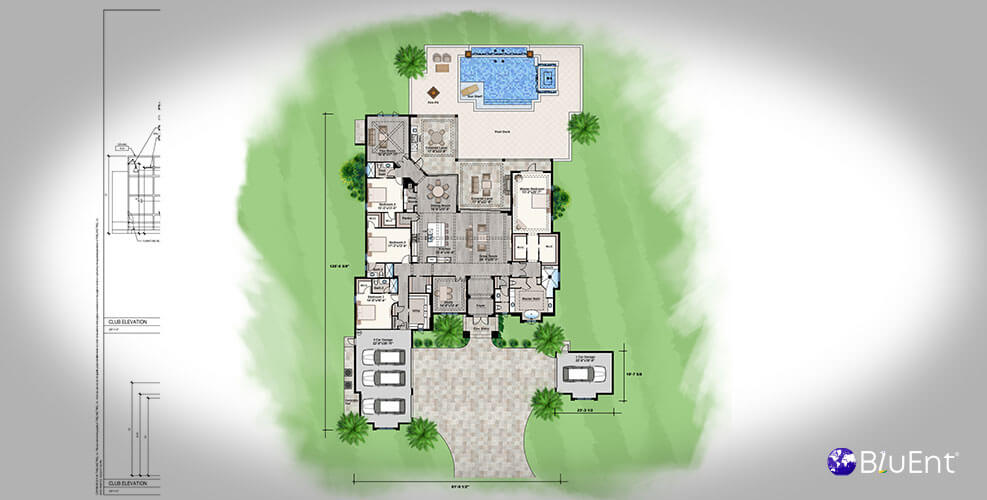
Design-assist coordination
Portfolio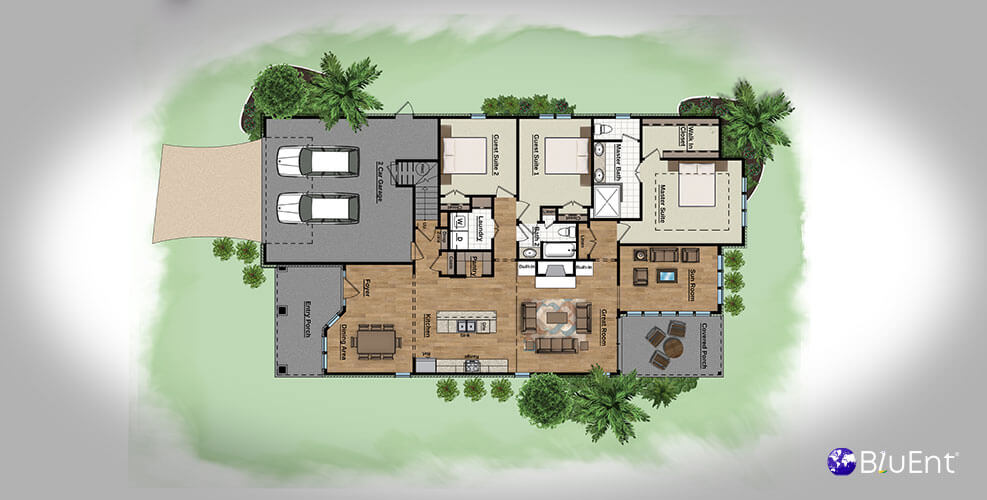
Feature millwork buildability
Portfolio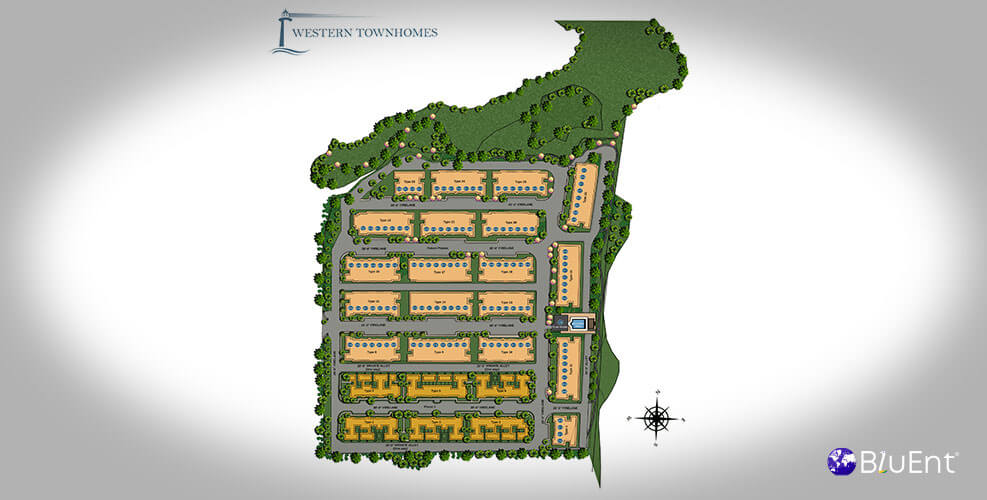
Pre-bid technical review
PortfolioCase studies index is a Q4 tracker item. No client, project or result is claimed. See how a finding changed a project
Quick enquiry
Have a design that needs a second read?
Send the basics. The right next step can follow.
Read by someone who will look for what does not resolve, not a sales desk.
Expert consultation
Where to go next
Related pages
Related services
Capability
A conflict caught during detailing costs a query. The same conflict caught at installation costs a remake.
FAQ
Frequently Asked Questions
Is this a separate engagement or part of detailing?
Both arrangements exist. RFI handling, specification analysis and constructability review are frequently scoped inside a detailing package, and can also be bought standalone, for example a constructability review on a design before it goes out to bid.
Is design liability taken on?
No. BluEnt does not act as design professional of record and does not issue engineering certification. The work supports the client’s responsibility as fabricator or contractor.
Can a design be reviewed before bid?
Yes, and that is where this work returns the most, because the findings can still change the price.
Will a design that cannot be built be flagged?
Yes, and that is the point of the service. The alternative is discovering it once material has been cut.
What is the difference between this and detailing?
Detailing produces the documentation. Engineering decides what the documentation should say where the design does not resolve it.
How are findings delivered?
As a structured findings report listing each item, where it sits in the documents, the commercial or technical implication, and a recommendation. Items needing a design-team answer are drafted as RFIs.
Request a project assessment
Send the drawings. Findings come back against what the design does not resolve.
Scope, queries and an honest read on the schedule, before any commitment.
- Findings returned as a structured report, not a verbal impression
- Items needing a design-team answer drafted as ready-to-issue RFIs
- One named contact, not a general queue
- Recurring findings added to the Standards Record for future projects
Project enquiry
Scope and questions come back, not a template.